

// MATERIALS_ARCHIVE
Wood Database
Information on the exotic woods we use — hardness, source, and characteristics. Demon Kitty ethically sources wood from all over the world to deliver a unique product that will last a lifetime.

// WHAT_IS
The Janka Hardness Rating
11.18mm
STEEL BALL DIAMETER
A rating used by the timber industry to compare wood hardness. The test involves pushing an 11.18mm diameter steel ball into wood fibre until it reaches half its diameter. The force required is then measured in kN (kilonewton) as the Janka rating — the higher the number, the harder and more durable the wood.
-
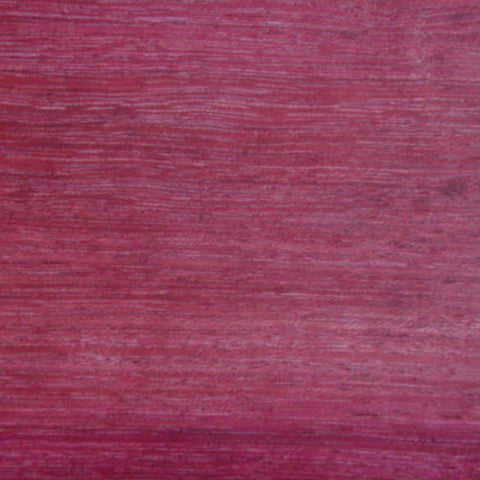
Purple Heart
Janka hardness is 2710 pounds of force.
Origin: Mexico through Southern Brazil
Purpleheart is a very recognizable species due to the bright purple coloring. It should be noted that the bright purple color will fade to a darker brownish plum.
-
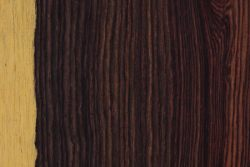
African Blackwood
Janka hardness is 4050 pounds of force.
Origin: Central and Southern Africa
African Blackwood is an exotic wood native to Central and Southern Africa, and is also known as a good alternative to Ebony. It features a dark black heartwood with minimal grain texture. It is an extremely hard wood, strong and stiff, very stable, with a fine texture. African blackwood is very hard and heavy. Blackwood is the most expensive woods in the world because it comes from a slow-growing near-threatened tree. This multi-stemmed tree grows to about 25 feet tall on average.
-
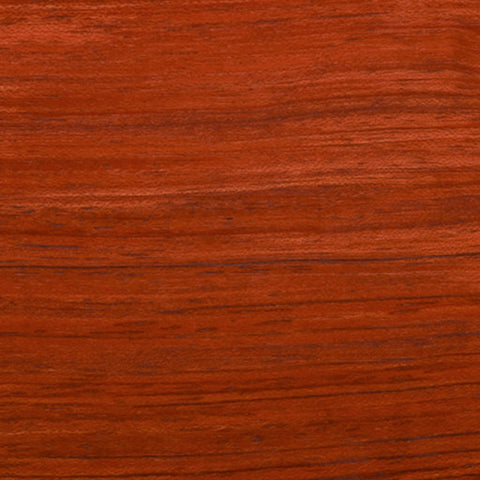
African Padauk
Janka hardness is 1725 pounds of force.
Origin: Central and Tropical West Africa, from Nigeria east to Congo-Kinshasa and south to Angola.
Padauk is an exotic wood that is a bright orange or almost crimson wood when freshly cut, but oxidizes to a darker, rich purple-brown over time - although it stays redder than Indian Rosewood. Slightly harder and heavier than Indian Rosewood it is a good exotic wood in all respects.
-
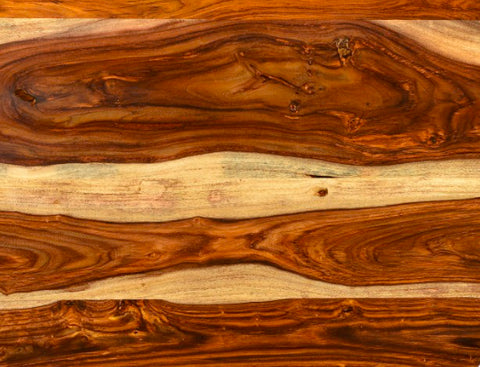
Rosewood
Janka hardness is 1780 pounds of force.
Origin: Brazil, Honduras, Jamaica, Africa, and India.
All genuine rosewoods belong to the genus Dalbergia. The pre-eminent rosewood appreciated in the Western world is the wood of Dalbergia nigra. It is best known as "Brazilian rosewood", but also as "Bahia rosewood". This wood has a strong, sweet smell, which persists for many years, explaining the name rosewood.
-
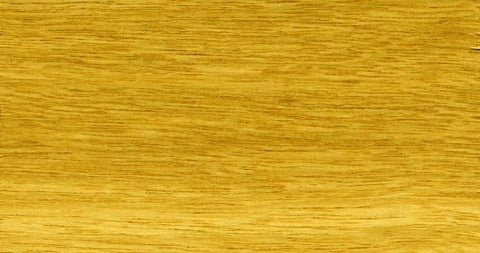
Movingui
Janka hardness is 1280 pounds of force.
Origin: Congo Basin of Gabon
Movingui is available in the forests of Precious Woods, located in the Congo Basin of Gabon. The tree attains heights up to 50 m and normally diameters between 70 and 140 cm. The trunks are straight and cylindrical. Freshly sawn Movingui has a light goldish yellow to yellow brown color.
-
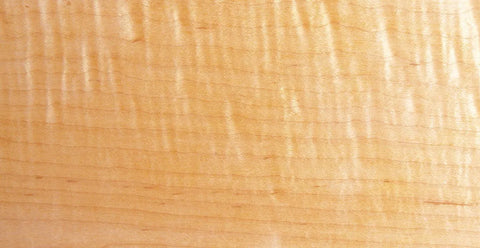
Curly Maple
Janka hardness is 1450 pounds of force.
Origin: Europe, North America, and northern Africa.
Curly Maple is Maple wood with a unique wavy or curly pattern in the grain. The ripples in the grain pattern create a three dimensional effect that looks like the wood has curled along the length of the board. The pattern is most noticeable after a finish is applied.
-
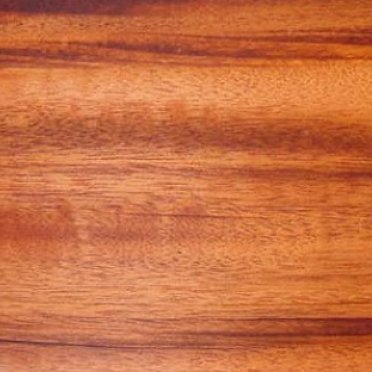
Tigerwood
Janka hardness is 2160 pounds of force.
Origin: Neotropical forests of South/ Central America, Mexico, Columbia, Venezuela, Ecuador, and Brazil.
One of the most radical exotic hardwoods found on the United States market today. It comes from the upland, neotropical forests of South/ Central America, mainly Mexico, Columbia, Venezuela, Ecuador, and the largest exporter; Brazil. It's base color of a deep amber red with incredible contrasting streaks of deep black make it an out of the ordinary choice for designers looking for something different
-
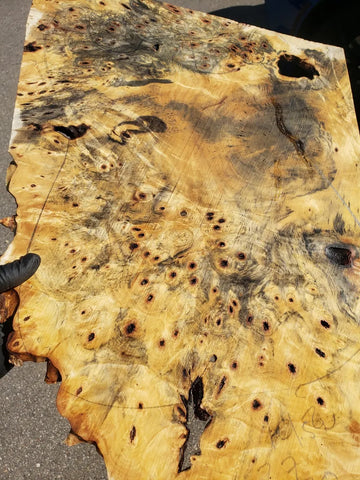
Buckeye Burl
Janka hardness is 770 pounds of force.
Origin: Eastern US and in California
Buckeye Burl (Aesculus californica) is an unusual species. Colors range from blue-black to golden whites with a nice mixture in between. Buckeye is a very difficult and expensive wood to mill. Some of the obstacles faced when milling are rocks, sand, dirt, bullets, and rattle snakes.
-
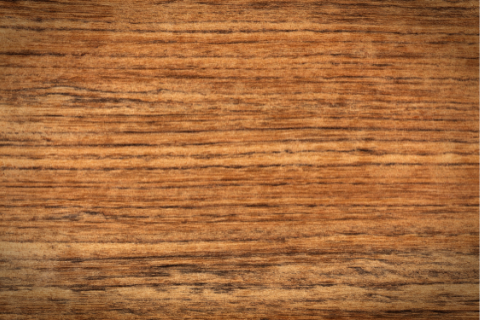
Ovangkol
Janka hardness is 1330 pounds of force.
Origin: Africa from the Ivory Coast and Ghana, to southern Nigeria and Gabon
Ovangkol comes from the same family as bubinga and thus shares many of the same tonal qualities. It has the depth of rosewood, but with better “snap” generally associated with medium density woods such as koa and walnut.
-
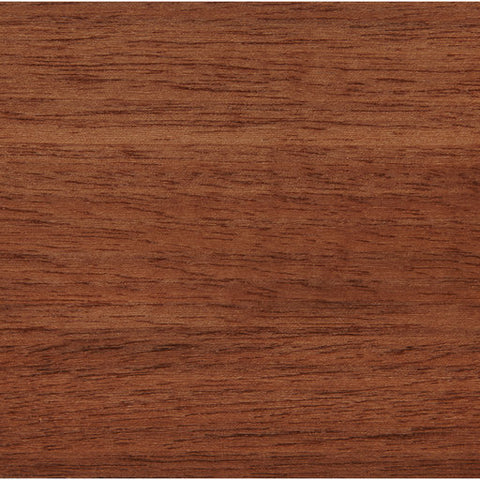
Mahogany
Janka hardness is 800-900 pounds of force.
Origin: West Indian, Honduras and Cuban
Mahogany is wood from any of three tree species: Honduran or big-leaf mahogany, West Indian or Cuban mahogany, and Swietenia Humilis. Honduran mahogany is the most widespread and the only genuine mahogany species commercially grown today. Mahogany is a valuable lumber used for paneling, furniture, boats, musical instruments, and other items. The United States is the leading importer of mahogany, while Peru is the largest exporter. Mahogany is the national tree of the Dominican Republic and Belize.
-
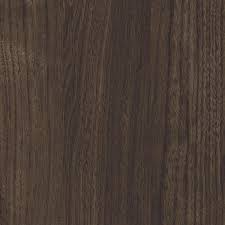
Walnut
Janka hardness is 1010 pounds of force.
Origin: North America
Walnut wood is revered for its rich, dark color. There are many varieties of walnut trees, but just a few are native to North America. It’s the Eastern Black Walnut (also called the American Black Walnut or American Walnut) that is most often used for woodworking. Beautiful walnut trees found in the midwest hail from Ohio, Illinois, and Indiana. Walnut trees can grow to be 100 feet tall or more with a diameter of 30 to 40 inches, which provides a consistent grain that makes it wonderful to work with.